Diesel diagnostics
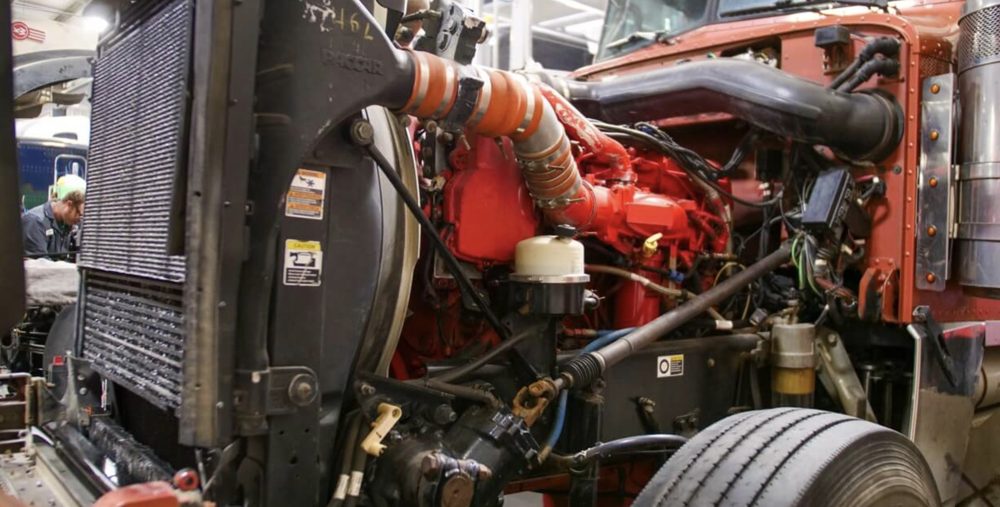
Codes and cranking paths tested where the truck sits, findings explained, parts justified by instruments.
Tuscaloosa freight runs three currents at once: the I-20/59 corridor hauling the Southeast past town, the auto plant corridor east of the city with its sequenced supplier traffic, and the timber and materials trade that West Alabama has always run. All three break down like working freight everywhere, and Mr. Tuscaloosa Mobile Truck Repair meets them where it happens.
Diesel diagnostics, brakes and air, trailers and securement, tires, electrical, and fleet care, with West Alabama honesty about all of it.
What broke, where the truck sits, what is aboard, and whether it moves. Back comes the probable culprit, a plain yes-or-no on roadside repair, and a window measured against real West Alabama miles. Supplier freight with delivery windows moves to the front of the math, and we say so out loud.
Summer runs long and humid here, so the heat questions join every warm-season call: gauges, coolant, battery age. Alabama asks them anyway; we just ask first.
Codes and cranking paths tested where the truck sits, findings explained, parts justified by instruments.
Loaded corridors and log-road duty both punish brakes. Leaks traced, hardware renewed, stroke set right.
Circuits, air, doors, legs, plus the winches, straps, and stakes that timber loads answer for at the scales.
Load-tested verdicts, charging verified, humidity-aged connections found and fixed.
Highway and off-pavement casualties swapped or patched at the truck, duals matched, torque checked.
Calendar care timed to shifts, seasons, and the stadium schedule nobody escapes.
The interstate carries the volume: I-20/59 through town and the long runs toward Birmingham and Meridian. The plant corridor brings sequenced supplier freight with line-down stakes, and the county roads bring log trucks and materials haulers doing heavy work far from pavement's better neighborhoods. We run all three geographies with the stock and the honesty each demands.
Rural calls get real-mile quotes and a straight answer about reachability. A loaded log truck on a soft shoulder is its own engineering problem, and we have solved it enough times to respect it.
Plant-corridor suppliers get maintenance planned like the production schedules they serve: rotations between shifts, unit records, and early pattern warnings. Timber and materials fleets get securement-aware service that respects how their equipment actually works. Independents get the same wrench and the same straight talk.
The closing line never changes: a verdict you can dispatch on, delivered at the truck.
That corridor is standing territory and its clock-first stakes are understood. Lead with your window and gate, and the plan builds around them.
Usually, with honest caveats. Surface, slope, and working room decide it, so describe the ground when you call. We have wrenched beside enough landings to ask the right questions.
Manageable if we plan around the stadium tides. Tell us where you are relative to the traffic pattern and we will quote a window that respects kickoff instead of pretending it away.
Both directions on 20/59, quoted against real miles. Mile markers make the answer faster and more honest.
Most of them, yes: winch tracks, strap stock, stake pockets, and rails. A securement write-up parks a load as hard as a breakdown, and we treat it with the same urgency.
Priced before rolling, merged into the job when we work, settled at the truck. Bay verdicts on the phone are free, and West Alabama appreciates a straight answer as much as we like giving one.
All of them, river to county line. The metro is one working territory and the windows quote real distances inside it.
Cold cargo leads the triage, always. Give the temp and setpoint first and the plan protects the load before it flatters the trailer.
Yes, with a yard afternoon that walks brake stroke, lighting, tires, air, and securement before the blitz calendar does it with consequences. West Alabama scales take their work seriously and preparation remains cheaper than citations.
Summer battery failures and corridor tire casualties trade the top spot, with securement repairs close behind during timber's busy months. All three ride on every truck we send out, which is not a coincidence.
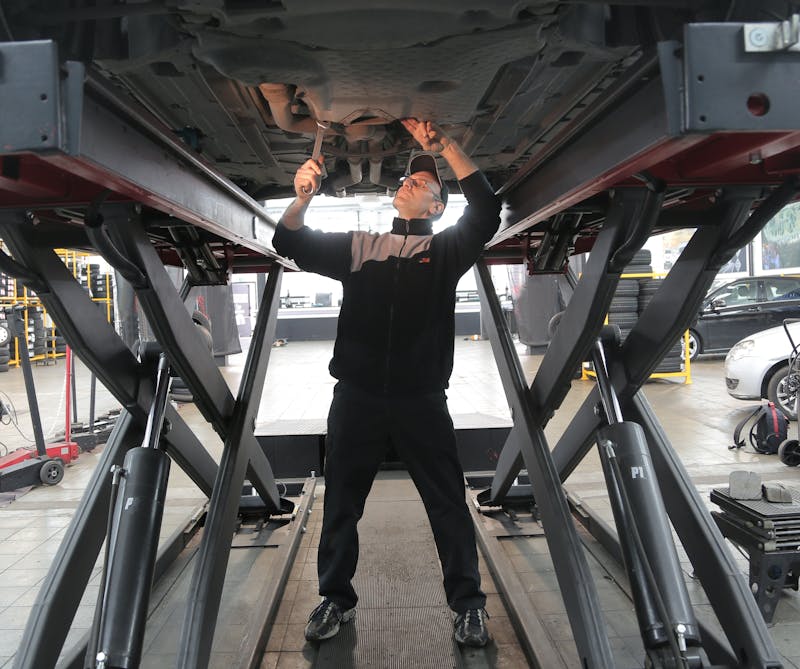

Heat and humidity age the electrics and the rubber on the usual accelerated southern schedule, and the timber trade adds its own wear signature: securement hardware, trailer frames, and tires that meet debris the highway never sees. Game-day Saturdays deserve a logistics footnote of their own, turning the town's roads into event infrastructure and rescheduling every delivery that can move. We plan windows around the stadium calendar in the fall because everyone in this county already does.
The occasional ice morning arrives just often enough to catch deferred battery checks, and spring storm season brings the yard-triage mornings every Alabama fleet knows. The fall check and the storm list remain the two cheapest calls a local fleet can make. River fog off the Black Warrior adds a quiet hazard: low stretches lose visibility before dawn on the wrong mornings, and breakdown calls in that window get patience-first safety planning, because half an hour of daylight has solved more of them than any tool aboard.
A real share of West Alabama freight lives on two-lane highways where the shoulder is a rumor and the nearest anything is twenty minutes at best. Breakdown calls from those miles get planned like small expeditions: exact location pinned, ground conditions confirmed, and the service truck loaded for self-sufficiency because there is no running back for a fitting. It is the oldest kind of mobile repair there is, and somebody around here still has to be good at it.
Tuscaloosa's barge and rail traffic keeps a working waterfront that most of the corridor never sees, and the trucks bridging those modes run short, heavy, repetitive duty that wears equipment in its own pattern. Yard tractors, hopper haulers, and the chassis moving between terminals get the same standing care as the highway fleet, timed to the loading schedules that rule them.
West Alabama spreads its freight across counties where the nearest bay might be an hour of two-lane away, and mobile repair is less a convenience out there than the only sensible plan. We quote those miles honestly, carry stock chosen for distance, and treat a Greene County landing the same as a Tuscaloosa dock: the work happens where the truck is, documented like it happened anywhere.
The supplier corridors east of town run deliveries measured against production takt, and a trailer that misses its slot can idle a line whose hourly cost embarrasses every repair invoice ever written. Those calls get our fastest safe response and our most conservative promises, because in sequenced logistics an honest twenty minutes beats a hopeful ten. The suppliers who have tested us keep testing us, which is the only endorsement that matters.
West Alabama's oldest freight still runs heavy and rough, and servicing it means respecting the work: loaded weights that flatten assumptions, landings that eat undercarriage, and securement gear that does the quiet heroics. We carry for that trade specifically, and the log haulers who call once tend to keep the number in the visor.
Marker or gate, failure, cargo, ground conditions if it is rural. Verdict, window, technician rolling with the right stock for your kind of truck.